Why People Don't Care About Buy A Driving License
페이지 정보
작성자 Lieselotte 작성일25-03-29 16:51 조회18회 댓글0건관련링크
본문
How to Get Ready to Buy a Driving License
When people think of buying a driving license they usually think of the kind that permits drivers to drive regular passenger vehicles. There are different kinds of licenses.
For New York City residents, the ability to obtain a driver's license could mean more than just the ability to get around town--it could provide better economic opportunities and stronger families.
Learner's permit
A learner's permit is the initial step towards obtaining a driving license. The process of getting your learner's permit requires you to meet requirements for eligibility in scheduling exams and passing tests. Knowing the requirements will assist you manage your responsibilities, and make progress quickly.
Confirming that you're old enough to begin driving lessons is the biggest obstacle. New York requires that you attain the age of 16 before pursuing a learner's permit and starting your driving lessons. This requirement helps ensure that all potential drivers are mature enough to handle the responsibility of driving.
You will need an authentic passport or birth certificate to prove your age. Utility bills, school records and bank statements are all documents that prove your identity. You'll also need to pay a fee for application. After you have submitted all the necessary documents, DMV will administer your learners permit's written test and an examination of vision. The exam will cover traffic laws, road signs and safe driving techniques. You can prepare for the written test by studying the driver's manual and taking practice exams.
The DMV will issue you with a temporary permit after you have passed the test for learners' permit. The permit will require you to be with a licensed supervisory driver. The driver must be in compliance with the age, relationship and driving hours restrictions specified by the city of New York. You should also familiarize yourself with NYC's driving laws, and consider taking a professional driving course.
If you are younger than 18 years old, your parent or legal guardian will need to sign a consent letter for you to obtain a learner's license. If you're 17 years old and have completed a driver's training program Your parent or legal guardian will not have to sign your application.
Once you have logged enough time in the car with a driver who is supervising You will then need to pass the written driving test and the hazard perception test to get your provisional license. This will require a few more visits to the DMV.
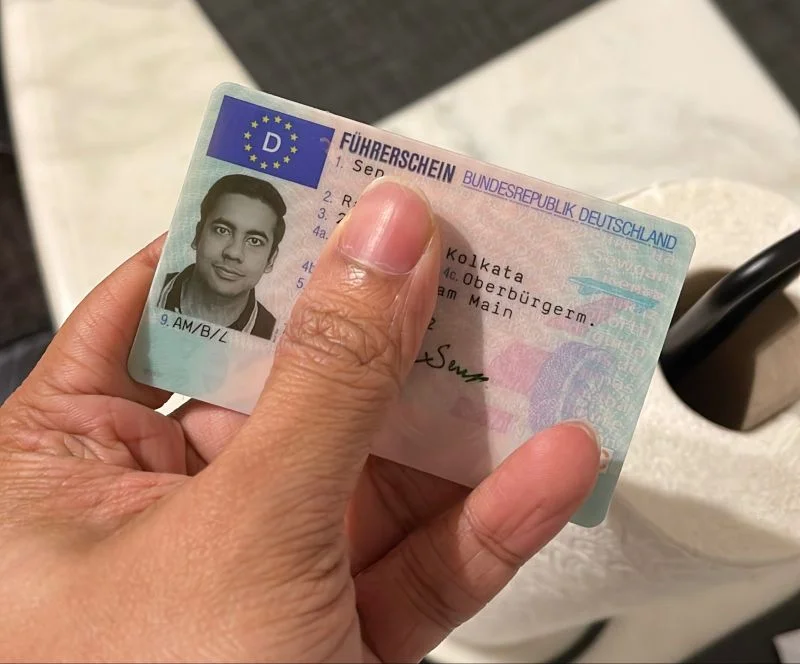 Written Test
After you have completed your driver education course, it's time to sit for the written exam. This is the pre-show for your road test and, while it's not as fun or exciting as driving however, it's still an important step towards achieving your license. Here's how to prepare for the written test:
The best way to prepare for your written exam is to open your state's drivers manual and start reading it. Many states also have practice tests available online to help you prepare for the real. They are available on most states' DMV websites and often have a similar format to the official tests.
 Create word associations or acronyms to aid in remembering the terms you're trying to master. This will help you quickly recall them when you're asked to do so during your test and can help boost your confidence. Before you head into your test, make sure you have all the required items such as a valid registration certificate, proof of insurance and (if needed) a state inspection sticker. It's also a good idea to have some pens and paper handy to make notes as you go through the questions.
Once you've gathered all of your items, head to the DMV to check in. You'll likely be asked to show an ID with a photo and they might conduct an investigation into your background before giving you the opportunity to test drive. They will also need to confirm that your vehicle is in compliance with safety standards and emission standards. The examiner is usually able to perform a visual inspection of the vehicle as looking at the lights, horn and mirrors, as well as the brakes to make sure that they're operating properly.
Once you have passed your written test you can begin the process of purchasing a car. Make sure to register your new vehicle and have it insured prior to you take to the road. You might be able to skip this step if don't plan to drive the car. If you do plan on using it to get around town make sure you take your test for license into consideration before making the purchase.
Road Test
The road test takes you on a test drive with an evaluator who will either accept or reject your license application based on the way you carry out important actions while driving such as backing up, making a 3-point turn, and parallel parking. You will be assessed on speed limits, traffic signals as well as road signs. The test is usually 15 minutes. It's best to practice many typical driving scenarios to ensure you're ready for the test.
Make an appointment to take your road test and arrive early at the testing center. You'll need a valid learner permit that is signed by your guardian or parent in the event you are under 18. You'll need to show proof of insurance as well as registration for the vehicle you will be driving during the test. Make sure your tires have adequate tread and that they're properly inflated. If you're not confident driving your vehicle you might want to have someone else drive it for you.
During your test, you should be courteous to your examiner and keep in mind that they're not trying to make you believe they are. They'll give you directions throughout the test, so make sure to follow them exactly. They'll usually ask you to examine the front and rearview mirrors, activate the turn signal, activate the emergency flashers, activate the parking brake, and open the windows. They may also want to see if you know how to operate any additional equipment that your vehicle has such as a backup camera or parking sensors.
Before you begin your test, make sure you understand the New York point system. Accumulating points can cause your license become suspended, so it's crucial to avoid them. If you're unsure of how to avoid a specific act, check your state's driver's manual or a professional driving instructor for advice.
Renewal of your license
If you're considering buying a driving license or you have one that's due to expire, it's crucial to renew it in time. Not only will this ensure that you're legally able to drive and drive, but it can also protect you from the fines and FüHrerschein Kaufen Legal Erfahrungen penalties that can result from a expired license. It is best to begin the renewal process 30 to 180 days before your license expires. This window will give you ample time to complete all required documentation and address any potential issues before your license expires.
In New York, drivers can be penalized anywhere between $25 and $40 for a license which has lapsed for less than 60 days. the penalty could go up to $300 when you exceed the time limit. In addition, you may be required to pay local or state surcharges if you're caught driving with an expired license.
To renew your license, you'll require an active driver's license as well as your MV-44 form. You'll have to visit your local DMV to update your photo on your license or upgrade your standard ID to a real ID or enhanced ID. Be sure to book a reservation to minimize waiting times. You'll need your current license, a valid photograph and a completed MV-44 form, and the correct fee. You can pay online using your credit or Führerschein Motorrad A1 und A2 kaufen kaufen seriös - link.d24am.com, debit card, or with a money orders or checks made payable to the Commissioner of Motor echten führerschein kaufen erfahrungen Vehicles.
There are many reasons that your driver's license might require to be renewed, and it's crucial to do it on time. Some of the most common ones are:
Beware of rushes in the last minute when renewing your licence can help you avoid potential delays in getting your new licence. If you're not sure of the documents you need to renew, take a look at the DMV Document Guide before heading into your local office.
When people think of buying a driving license they usually think of the kind that permits drivers to drive regular passenger vehicles. There are different kinds of licenses.
For New York City residents, the ability to obtain a driver's license could mean more than just the ability to get around town--it could provide better economic opportunities and stronger families.
Learner's permit
A learner's permit is the initial step towards obtaining a driving license. The process of getting your learner's permit requires you to meet requirements for eligibility in scheduling exams and passing tests. Knowing the requirements will assist you manage your responsibilities, and make progress quickly.
Confirming that you're old enough to begin driving lessons is the biggest obstacle. New York requires that you attain the age of 16 before pursuing a learner's permit and starting your driving lessons. This requirement helps ensure that all potential drivers are mature enough to handle the responsibility of driving.
You will need an authentic passport or birth certificate to prove your age. Utility bills, school records and bank statements are all documents that prove your identity. You'll also need to pay a fee for application. After you have submitted all the necessary documents, DMV will administer your learners permit's written test and an examination of vision. The exam will cover traffic laws, road signs and safe driving techniques. You can prepare for the written test by studying the driver's manual and taking practice exams.
The DMV will issue you with a temporary permit after you have passed the test for learners' permit. The permit will require you to be with a licensed supervisory driver. The driver must be in compliance with the age, relationship and driving hours restrictions specified by the city of New York. You should also familiarize yourself with NYC's driving laws, and consider taking a professional driving course.
If you are younger than 18 years old, your parent or legal guardian will need to sign a consent letter for you to obtain a learner's license. If you're 17 years old and have completed a driver's training program Your parent or legal guardian will not have to sign your application.
Once you have logged enough time in the car with a driver who is supervising You will then need to pass the written driving test and the hazard perception test to get your provisional license. This will require a few more visits to the DMV.
Written TestAfter you have completed your driver education course, it's time to sit for the written exam. This is the pre-show for your road test and, while it's not as fun or exciting as driving however, it's still an important step towards achieving your license. Here's how to prepare for the written test:
The best way to prepare for your written exam is to open your state's drivers manual and start reading it. Many states also have practice tests available online to help you prepare for the real. They are available on most states' DMV websites and often have a similar format to the official tests.
Create word associations or acronyms to aid in remembering the terms you're trying to master. This will help you quickly recall them when you're asked to do so during your test and can help boost your confidence. Before you head into your test, make sure you have all the required items such as a valid registration certificate, proof of insurance and (if needed) a state inspection sticker. It's also a good idea to have some pens and paper handy to make notes as you go through the questions.Once you've gathered all of your items, head to the DMV to check in. You'll likely be asked to show an ID with a photo and they might conduct an investigation into your background before giving you the opportunity to test drive. They will also need to confirm that your vehicle is in compliance with safety standards and emission standards. The examiner is usually able to perform a visual inspection of the vehicle as looking at the lights, horn and mirrors, as well as the brakes to make sure that they're operating properly.
Once you have passed your written test you can begin the process of purchasing a car. Make sure to register your new vehicle and have it insured prior to you take to the road. You might be able to skip this step if don't plan to drive the car. If you do plan on using it to get around town make sure you take your test for license into consideration before making the purchase.
Road Test
The road test takes you on a test drive with an evaluator who will either accept or reject your license application based on the way you carry out important actions while driving such as backing up, making a 3-point turn, and parallel parking. You will be assessed on speed limits, traffic signals as well as road signs. The test is usually 15 minutes. It's best to practice many typical driving scenarios to ensure you're ready for the test.
Make an appointment to take your road test and arrive early at the testing center. You'll need a valid learner permit that is signed by your guardian or parent in the event you are under 18. You'll need to show proof of insurance as well as registration for the vehicle you will be driving during the test. Make sure your tires have adequate tread and that they're properly inflated. If you're not confident driving your vehicle you might want to have someone else drive it for you.
During your test, you should be courteous to your examiner and keep in mind that they're not trying to make you believe they are. They'll give you directions throughout the test, so make sure to follow them exactly. They'll usually ask you to examine the front and rearview mirrors, activate the turn signal, activate the emergency flashers, activate the parking brake, and open the windows. They may also want to see if you know how to operate any additional equipment that your vehicle has such as a backup camera or parking sensors.
Before you begin your test, make sure you understand the New York point system. Accumulating points can cause your license become suspended, so it's crucial to avoid them. If you're unsure of how to avoid a specific act, check your state's driver's manual or a professional driving instructor for advice.
Renewal of your license
If you're considering buying a driving license or you have one that's due to expire, it's crucial to renew it in time. Not only will this ensure that you're legally able to drive and drive, but it can also protect you from the fines and FüHrerschein Kaufen Legal Erfahrungen penalties that can result from a expired license. It is best to begin the renewal process 30 to 180 days before your license expires. This window will give you ample time to complete all required documentation and address any potential issues before your license expires.
In New York, drivers can be penalized anywhere between $25 and $40 for a license which has lapsed for less than 60 days. the penalty could go up to $300 when you exceed the time limit. In addition, you may be required to pay local or state surcharges if you're caught driving with an expired license.
To renew your license, you'll require an active driver's license as well as your MV-44 form. You'll have to visit your local DMV to update your photo on your license or upgrade your standard ID to a real ID or enhanced ID. Be sure to book a reservation to minimize waiting times. You'll need your current license, a valid photograph and a completed MV-44 form, and the correct fee. You can pay online using your credit or Führerschein Motorrad A1 und A2 kaufen kaufen seriös - link.d24am.com, debit card, or with a money orders or checks made payable to the Commissioner of Motor echten führerschein kaufen erfahrungen Vehicles.
There are many reasons that your driver's license might require to be renewed, and it's crucial to do it on time. Some of the most common ones are:
Beware of rushes in the last minute when renewing your licence can help you avoid potential delays in getting your new licence. If you're not sure of the documents you need to renew, take a look at the DMV Document Guide before heading into your local office.
댓글목록
등록된 댓글이 없습니다.