Guide To African Grey Parrots Sale: The Intermediate Guide To African …
페이지 정보
작성자 Lorraine 작성일25-03-29 16:48 조회18회 댓글0건관련링크
본문
african grey parrots sale, tdfarmaks.ru,
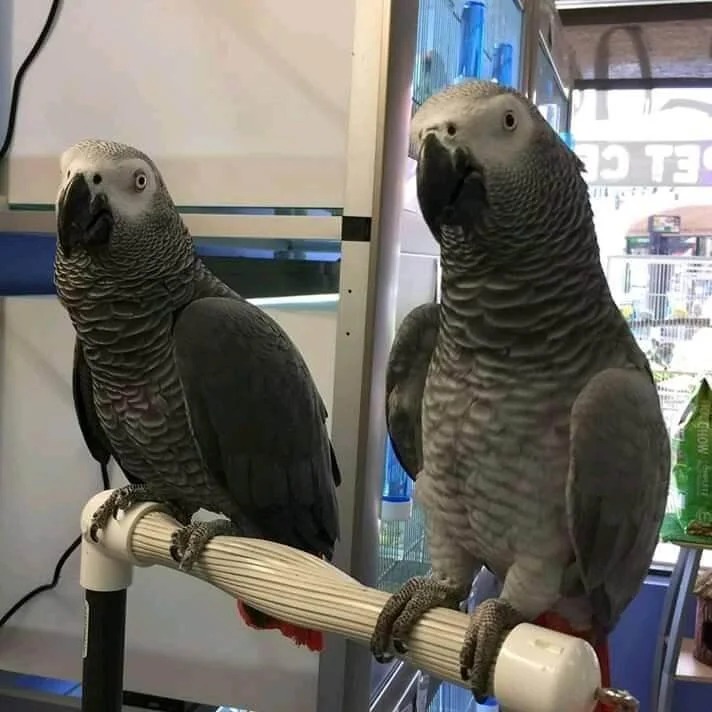
african grey parrot baby for sale grey parrots make wonderful companions. They are intelligent and playful. However, they can be noisy. Make sure that you can be able to bear their chirps and chatter before considering buying one.
In the wild gizmo the grey parrot frenzied demand for these birds is taking a huge toll on their numbers. In Ghana they are on the verge of becoming extinct.
Health
Zuri is a chatty companion who can make your day. His endearing personality, stunning beauty and his ability to make you laugh will add joy to your life. The stunning grey coat and dazzling tail enhance his stunning appearance. He has charming eyes and would make a lovely addition to any home.
He can befriend a single person and become a part of the group. He's an intelligent bird who can mimic sounds and speech and also open his wings to fly and dance. He's a natural performer who will entertain you all day.
These birds are extremely sensitive to noise and stress and can become agitated when they aren't getting enough interaction and attention. It is important to keep them on a regular schedule and make sure they are not stressed out. They require an extensive diet, which includes high-quality pellets, fruits, vegetables, and some seeds. To avoid feather picking seeds should not make up more than 75% of the food and be kept to a minimum. The diet should also include minimal amounts of fats, sugars, and protein. Calcium can be obtained from a cuttlefish or a chalk perch and vitamins A and B are available in fresh foods like cooked potatoes, kale, dark leafy vegetables, and avocado.
African greys are prone to a variety of health issues, such as feather picking and a deficiency in minerals such as calcium, vitamin A and D. They can also suffer from respiratory infections and Psittacosis. They are also prone to a fungal illness known as aspergillosis.
In the wild, African greys are preyed on for their head feathers and beaks. These parts are utilized in voodou and other faith-based remedies in West Africa. They are also promoted for domestic use. According to a study the market for these birds is highly organized and is a part of local communities. The study interviewed 94 sellers and analyzed a variety of information such as the price and type of body parts sold, their origin countries, and estimated numbers of buyers (tourists and causal consumers).
Before you buy an African grey parrot, you should carefully examine whether you are able to handle the responsibility. The birds live between 20 and 30 years and need extensive time with their owner with a variety of tasks and puzzles to keep them occupied and a large cage to roam in.
Training
The African grey is a stunning and intelligent bird, and they are wonderful pets for people who can give them the proper attention and care. They can live for up to 20 years if they have regular interactions, a healthy diet and plenty of toys. They also need plenty of mental stimulation in order to avoid boredom, which could cause aggression or destructive behavior. Parrots are also able to be a good friend to a person and become protective.
Parrots are costly, but worth it. The cost of an African grey per month is $235. However, this could increase if your pet becomes injured or sick. Pet insurance covers some veterinary costs.
An African gray needs to spend time outside of the cage and interact with family members. They form an intense bond with one family member, usually their human companion. They'll be disappointed when they're not with them, and could even become aggressive toward other family members if their relationship is damaged.
African greys should always be able to learn and play and play in a safe area. It is important to provide them with lots of stimulation so that they can play and learn. They also require a large cage with plenty of space to move around and to sit on various objects.
They are intelligent animals and can become bored quickly if there is not enough stimulation to keep their attention. It is essential to keep the cage tidy and filled with toys to avoid this from happening, and it is essential to change the toys often. In the absence of this, the bird could begin to destroy the toys.
African greys make a great pet due to their stunning feather colors amazing mimicry skills and a playful manner of speaking. They are used as talking parrots and can imitate phrases and words spoken by their owners. They are also known for their ability in imitating the sounds of other birds as well as humans. It is important to keep in mind that birds can only learn a limited number of words and may not be capable of imitating every sound they hear.
Care
The African grey parrot is a smart friendly, sociable, loving and fun pet. However, they will only be successful in a home environment where they are given lots of attention and spend a lot of time outside their cage. They require human interaction, a variety of puzzles and toys for mental stimulation, regular preparation of food and plenty of room to play and exercise.
They are a great option for those who are familiar with operant conditioning and positive reinforcement methods for training. These birds are not suitable for novice owners who might not have the knowledge or the patience to give them the best quality of life. These birds do not like being ignored or left alone for extended periods of time and will have a strong bond with a particular family member in particular. If this is not possible, it might be better to think about other pets or another species.
These intelligent birds require a lot of mental stimulation as well as physical stimulation in order to avoid boredom which can cause them to become aggressive. It is essential to ensure they get regular exercise outside of the cage, especially when young. This will allow them to stretch their wings and increase their strength. It is vital that the home is safe from escaping and that there aren't dangerous plants or objects within the house that could pose a danger to the bird. The practice of clipping the wings is strongly discouraged since it limits their exercise and can affect their mental health.
A good diet is an essential factor in the health of the parrot. It is recommended that you feed your pet a high-quality pellet diet, supplemented by fresh fruits and vegetables. Making sure your pet is provided with regular water that is clean is also vital. Regular checkups with your veterinarian are essential to maintain a healthy pet.
The ownership of an African grey is a long term commitment. The bird can live up to 60 or more years. If you are planning to travel or will be away from home for an extended time, you'll need to find someone trustworthy to care for your bird. When their routines are disrupted many birds become stressed. This can cause serious health issues.
Feeding
A healthy African gray parrot is dependent on a diet rich in nutrients. Their specific nutritional needs require a mix of fresh fruits, vegetables, and nuts. A balanced diet can help promote immune system health, vibrant feathers, and improved cognitive function. By following a recommended diet to help your African grey live a long and healthy life with you.
Start with high-quality pellets such as Harrison's or Roudybush. These foods provide the proper balance of nutrients for your bird. Fresh fruits and vegetables should constitute the majority of your African Grey's diet, as well as some wholesome snacks (such as bananas and berries). Nuts and seeds are also a part of an wholesome diet. Be sure to clean all food items thoroughly before presenting them to your parrot, because this will lower the risk of parasites.
An African Grey Parrot must be fed diverse food choices every day, with a amount of each. The ability to change the food mix frequently keeps your pet from getting bored and developing picky eating habits. When you introduce new foods, begin slowly and introduce them one at a time to prevent overwhelming your pet.
You can also avoid territorial aggression by offering a variety of toys, stimulating puzzles and fun activities. This aggressive behavior can be a sign that the African grey african parrot is frustrated with the limited resources available in its cage or the environment. If you are worried about the possibility of territorial aggression, talk to a reputable bird breeder or trainer prior buying an African Grey.
While these birds make wonderful companions, they're not suitable for everyone. They are intelligent and social animals that require constant interaction. If you cannot commit to spending time with a parrot or if your family or neighbors can't tolerate its loud voice, this might not be the right pet for you.
 If you're not ready to commit to caring for an grey parrot for an African grey as an animal, you may want consider rehoming a parrot at your local rescue center. These birds were rescued or abandoned from different reasons and need of loving homes. In addition, a rescue parrot is capable of revealing the character and background of the bird.
african grey parrot baby for sale grey parrots make wonderful companions. They are intelligent and playful. However, they can be noisy. Make sure that you can be able to bear their chirps and chatter before considering buying one.
In the wild gizmo the grey parrot frenzied demand for these birds is taking a huge toll on their numbers. In Ghana they are on the verge of becoming extinct.
Health
Zuri is a chatty companion who can make your day. His endearing personality, stunning beauty and his ability to make you laugh will add joy to your life. The stunning grey coat and dazzling tail enhance his stunning appearance. He has charming eyes and would make a lovely addition to any home.
He can befriend a single person and become a part of the group. He's an intelligent bird who can mimic sounds and speech and also open his wings to fly and dance. He's a natural performer who will entertain you all day.
These birds are extremely sensitive to noise and stress and can become agitated when they aren't getting enough interaction and attention. It is important to keep them on a regular schedule and make sure they are not stressed out. They require an extensive diet, which includes high-quality pellets, fruits, vegetables, and some seeds. To avoid feather picking seeds should not make up more than 75% of the food and be kept to a minimum. The diet should also include minimal amounts of fats, sugars, and protein. Calcium can be obtained from a cuttlefish or a chalk perch and vitamins A and B are available in fresh foods like cooked potatoes, kale, dark leafy vegetables, and avocado.
African greys are prone to a variety of health issues, such as feather picking and a deficiency in minerals such as calcium, vitamin A and D. They can also suffer from respiratory infections and Psittacosis. They are also prone to a fungal illness known as aspergillosis.
In the wild, African greys are preyed on for their head feathers and beaks. These parts are utilized in voodou and other faith-based remedies in West Africa. They are also promoted for domestic use. According to a study the market for these birds is highly organized and is a part of local communities. The study interviewed 94 sellers and analyzed a variety of information such as the price and type of body parts sold, their origin countries, and estimated numbers of buyers (tourists and causal consumers).
Before you buy an African grey parrot, you should carefully examine whether you are able to handle the responsibility. The birds live between 20 and 30 years and need extensive time with their owner with a variety of tasks and puzzles to keep them occupied and a large cage to roam in.
Training
The African grey is a stunning and intelligent bird, and they are wonderful pets for people who can give them the proper attention and care. They can live for up to 20 years if they have regular interactions, a healthy diet and plenty of toys. They also need plenty of mental stimulation in order to avoid boredom, which could cause aggression or destructive behavior. Parrots are also able to be a good friend to a person and become protective.
Parrots are costly, but worth it. The cost of an African grey per month is $235. However, this could increase if your pet becomes injured or sick. Pet insurance covers some veterinary costs.
An African gray needs to spend time outside of the cage and interact with family members. They form an intense bond with one family member, usually their human companion. They'll be disappointed when they're not with them, and could even become aggressive toward other family members if their relationship is damaged.
African greys should always be able to learn and play and play in a safe area. It is important to provide them with lots of stimulation so that they can play and learn. They also require a large cage with plenty of space to move around and to sit on various objects.
They are intelligent animals and can become bored quickly if there is not enough stimulation to keep their attention. It is essential to keep the cage tidy and filled with toys to avoid this from happening, and it is essential to change the toys often. In the absence of this, the bird could begin to destroy the toys.
African greys make a great pet due to their stunning feather colors amazing mimicry skills and a playful manner of speaking. They are used as talking parrots and can imitate phrases and words spoken by their owners. They are also known for their ability in imitating the sounds of other birds as well as humans. It is important to keep in mind that birds can only learn a limited number of words and may not be capable of imitating every sound they hear.
Care
The African grey parrot is a smart friendly, sociable, loving and fun pet. However, they will only be successful in a home environment where they are given lots of attention and spend a lot of time outside their cage. They require human interaction, a variety of puzzles and toys for mental stimulation, regular preparation of food and plenty of room to play and exercise.
They are a great option for those who are familiar with operant conditioning and positive reinforcement methods for training. These birds are not suitable for novice owners who might not have the knowledge or the patience to give them the best quality of life. These birds do not like being ignored or left alone for extended periods of time and will have a strong bond with a particular family member in particular. If this is not possible, it might be better to think about other pets or another species.
These intelligent birds require a lot of mental stimulation as well as physical stimulation in order to avoid boredom which can cause them to become aggressive. It is essential to ensure they get regular exercise outside of the cage, especially when young. This will allow them to stretch their wings and increase their strength. It is vital that the home is safe from escaping and that there aren't dangerous plants or objects within the house that could pose a danger to the bird. The practice of clipping the wings is strongly discouraged since it limits their exercise and can affect their mental health.
A good diet is an essential factor in the health of the parrot. It is recommended that you feed your pet a high-quality pellet diet, supplemented by fresh fruits and vegetables. Making sure your pet is provided with regular water that is clean is also vital. Regular checkups with your veterinarian are essential to maintain a healthy pet.
The ownership of an African grey is a long term commitment. The bird can live up to 60 or more years. If you are planning to travel or will be away from home for an extended time, you'll need to find someone trustworthy to care for your bird. When their routines are disrupted many birds become stressed. This can cause serious health issues.
Feeding
A healthy African gray parrot is dependent on a diet rich in nutrients. Their specific nutritional needs require a mix of fresh fruits, vegetables, and nuts. A balanced diet can help promote immune system health, vibrant feathers, and improved cognitive function. By following a recommended diet to help your African grey live a long and healthy life with you.
Start with high-quality pellets such as Harrison's or Roudybush. These foods provide the proper balance of nutrients for your bird. Fresh fruits and vegetables should constitute the majority of your African Grey's diet, as well as some wholesome snacks (such as bananas and berries). Nuts and seeds are also a part of an wholesome diet. Be sure to clean all food items thoroughly before presenting them to your parrot, because this will lower the risk of parasites.
An African Grey Parrot must be fed diverse food choices every day, with a amount of each. The ability to change the food mix frequently keeps your pet from getting bored and developing picky eating habits. When you introduce new foods, begin slowly and introduce them one at a time to prevent overwhelming your pet.
You can also avoid territorial aggression by offering a variety of toys, stimulating puzzles and fun activities. This aggressive behavior can be a sign that the African grey african parrot is frustrated with the limited resources available in its cage or the environment. If you are worried about the possibility of territorial aggression, talk to a reputable bird breeder or trainer prior buying an African Grey.
While these birds make wonderful companions, they're not suitable for everyone. They are intelligent and social animals that require constant interaction. If you cannot commit to spending time with a parrot or if your family or neighbors can't tolerate its loud voice, this might not be the right pet for you.
If you're not ready to commit to caring for an grey parrot for an African grey as an animal, you may want consider rehoming a parrot at your local rescue center. These birds were rescued or abandoned from different reasons and need of loving homes. In addition, a rescue parrot is capable of revealing the character and background of the bird.댓글목록
등록된 댓글이 없습니다.