What To Say About 30ft Container To Your Boss
페이지 정보
작성자 Tracey 작성일25-03-29 16:55 조회13회 댓글0건관련링크
본문
The Versatility and Utility of a 30ft Shipping Container
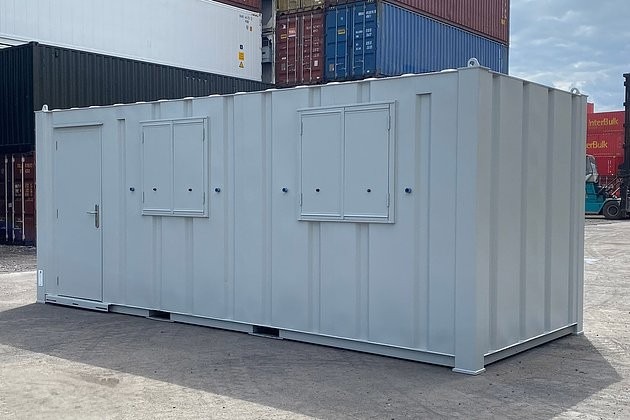
Recently, the 30ft shipping container has actually become a practical solution in different markets, using an array of uses that extend far beyond simple cargo transportation. Utilizing basic shipping containers has actually transformed numerous sectors including retail, building and construction, and even property living. This article delves into the versatility, benefits, and applications of 30ft steel containers containers while also attending to common questions about their usage.
 Understanding Shipping Containers
A shipping container is a standardized cargo container used for transporting goods by sea, rail, or road. The 30ft container is longer than the more typical 20ft or 40ft alternatives, supplying extra space without the substantial size boost of a 40ft container. Its particular dimensions usually enable a maximum payload of around 10,000 kg, depending on the container's building and construction and material.
 Key Features of a 30ft Container
Dimensions: A normal 30ft shipping container measures around 30 foot Shipping container Dimensions feet long, 8 feet wide, and 8.5 feet high, providing around 1,300 cubic feet of area.
Resilience: Made from Corten steel, shipping containers are weather-resistant, rust-proof, and built to stand up to extreme outdoor conditions.
Standardization: The standardized size of shipping containers streamlines handling, stacking, and transportation throughout various modes of transport.
Customization: 30ft containers can quickly be modified to fit a range of purposes, consisting of insulation, windows, and doors for non-cargo applications.
Applications of 30ft Shipping Containers
The adaptability of a 30ft shipping container allows it to serve numerous industries and functions. Here are a number of popular applications:
1. Storage Solutions
Momentary Storage: Ideal for construction sites, during movings, or in retail, a 30ft container supplies sufficient storage space for tools, devices, and products.
Long-Term Storage: Businesses typically utilize these containers for long-lasting inventory storage, as they are safe and secure and weather-resistant.
2. Modular Offices
On-Site Offices: Construction business regularly convert shipping containers into mobile workplaces. These can be geared up with electrical power, web access, and plumbing for day-to-day operations.
3. Pop-Up Retail Spaces
Unique Retail Locations: The trend of pop-up stores has gotten popularity, and businesses transform 30ft containers into enticing storefronts, frequently seen at festivals or seasonal markets.
4. Budget-friendly Housing
Container Homes: Increasingly, designers and house owners are utilizing 30ft containers to build affordable, environmentally friendly housing solutions. These homes can be visually tailored to offer a distinct living experience.
5. Emergency Relief Facilities
Catastrophe Relief: In times of crisis or natural catastrophes, shipping containers can be repurposed for short-term housing, medical facilities, and supply storage, thanks to their durability and portability.
6. Workshops and Studios
Innovative Spaces: Artists and craftsmen have found an effective option in 30ft containers for setting up workshops or studios, providing a personal area to create and innovate.
Advantages of Using a 30ft Container
Selecting a 30ft shipping container offers various advantages for both businesses and individuals. Here are some key advantages:
Cost-Effective: Renting or acquiring a 30ft container is normally more budget-friendly compared to traditional storage buildings or office spaces.
Mobility: Containers can be moved quickly, making it basic to transfer equipment or established in various areas.
Security: Shipping containers have solid steel building, providing superior security from theft and vandalism.
Sustainability: Repurposing containers is an ecologically friendly practice, decreasing the requirement for new materials and supporting recycling efforts.
Eco-Friendly Design: Container homes and offices utilize very little energy as they can be developed to leverage natural elements like sunshine and wind.
Regularly Asked Questions (FAQs).
1. Just how much does a 30ft shipping container cost?
The cost of a 30ft shipping container can vary widely depending upon factors like condition (brand-new or used), modifications, and place. Usually, costs can vary from $2,500 to $5,000.
2. Can I customize a 30ft container myself?
Yes, many owners select to customize their containers for particular usages. Typical modifications consist of adding windows, doors, insulation, and electrical wiring. Nevertheless, it's recommended to seek advice from with professionals for significant modifications to guarantee structural stability.
3. Are shipping containers waterproof?
While 30 shipping container containers are developed to be weather-resistant, their waterproofing can degrade with time. Correct sealing and upkeep can enhance their water resistant capabilities.
4. Do I need a license to place a shipping container on my residential or commercial property?
This considerably depends on local zoning laws and regulations. Some areas need permits for container positioning, especially when used as living or working spaces. It's always best to examine with regional authorities.
5. The length of time do shipping containers last?
A properly maintained shipping container can last 25 years or longer. Elements such as weather condition exposure and appropriate care can substantially affect their life-span.
Conclusion.
The 30ft shipping container stands as a testimony to innovation and versatility. From serving basic 30 foot storage container needs to transforming into affordable home, its versatility makes it an invaluable resource in various sectors. Whether made use of for industrial functions, emergency relief, or creative ventures, the 30ft container continues to redefine how spaces are used in our significantly mobile and vibrant world. The growing acceptance and application of shipping containers not just reflect market demands however likewise point towards a more sustainable and effective future.
Recently, the 30ft shipping container has actually become a practical solution in different markets, using an array of uses that extend far beyond simple cargo transportation. Utilizing basic shipping containers has actually transformed numerous sectors including retail, building and construction, and even property living. This article delves into the versatility, benefits, and applications of 30ft steel containers containers while also attending to common questions about their usage.
Understanding Shipping ContainersA shipping container is a standardized cargo container used for transporting goods by sea, rail, or road. The 30ft container is longer than the more typical 20ft or 40ft alternatives, supplying extra space without the substantial size boost of a 40ft container. Its particular dimensions usually enable a maximum payload of around 10,000 kg, depending on the container's building and construction and material.
Key Features of a 30ft ContainerDimensions: A normal 30ft shipping container measures around 30 foot Shipping container Dimensions feet long, 8 feet wide, and 8.5 feet high, providing around 1,300 cubic feet of area.
Resilience: Made from Corten steel, shipping containers are weather-resistant, rust-proof, and built to stand up to extreme outdoor conditions.
Standardization: The standardized size of shipping containers streamlines handling, stacking, and transportation throughout various modes of transport.
Customization: 30ft containers can quickly be modified to fit a range of purposes, consisting of insulation, windows, and doors for non-cargo applications.
Applications of 30ft Shipping Containers
The adaptability of a 30ft shipping container allows it to serve numerous industries and functions. Here are a number of popular applications:
1. Storage Solutions
Momentary Storage: Ideal for construction sites, during movings, or in retail, a 30ft container supplies sufficient storage space for tools, devices, and products.
Long-Term Storage: Businesses typically utilize these containers for long-lasting inventory storage, as they are safe and secure and weather-resistant.
2. Modular Offices
On-Site Offices: Construction business regularly convert shipping containers into mobile workplaces. These can be geared up with electrical power, web access, and plumbing for day-to-day operations.
3. Pop-Up Retail Spaces
Unique Retail Locations: The trend of pop-up stores has gotten popularity, and businesses transform 30ft containers into enticing storefronts, frequently seen at festivals or seasonal markets.
4. Budget-friendly Housing
Container Homes: Increasingly, designers and house owners are utilizing 30ft containers to build affordable, environmentally friendly housing solutions. These homes can be visually tailored to offer a distinct living experience.
5. Emergency Relief Facilities
Catastrophe Relief: In times of crisis or natural catastrophes, shipping containers can be repurposed for short-term housing, medical facilities, and supply storage, thanks to their durability and portability.
6. Workshops and Studios
Innovative Spaces: Artists and craftsmen have found an effective option in 30ft containers for setting up workshops or studios, providing a personal area to create and innovate.
Advantages of Using a 30ft Container
Selecting a 30ft shipping container offers various advantages for both businesses and individuals. Here are some key advantages:
Cost-Effective: Renting or acquiring a 30ft container is normally more budget-friendly compared to traditional storage buildings or office spaces.
Mobility: Containers can be moved quickly, making it basic to transfer equipment or established in various areas.
Security: Shipping containers have solid steel building, providing superior security from theft and vandalism.
Sustainability: Repurposing containers is an ecologically friendly practice, decreasing the requirement for new materials and supporting recycling efforts.
Eco-Friendly Design: Container homes and offices utilize very little energy as they can be developed to leverage natural elements like sunshine and wind.
Regularly Asked Questions (FAQs).
1. Just how much does a 30ft shipping container cost?
The cost of a 30ft shipping container can vary widely depending upon factors like condition (brand-new or used), modifications, and place. Usually, costs can vary from $2,500 to $5,000.
2. Can I customize a 30ft container myself?
Yes, many owners select to customize their containers for particular usages. Typical modifications consist of adding windows, doors, insulation, and electrical wiring. Nevertheless, it's recommended to seek advice from with professionals for significant modifications to guarantee structural stability.
3. Are shipping containers waterproof?
While 30 shipping container containers are developed to be weather-resistant, their waterproofing can degrade with time. Correct sealing and upkeep can enhance their water resistant capabilities.
4. Do I need a license to place a shipping container on my residential or commercial property?
This considerably depends on local zoning laws and regulations. Some areas need permits for container positioning, especially when used as living or working spaces. It's always best to examine with regional authorities.
5. The length of time do shipping containers last?
A properly maintained shipping container can last 25 years or longer. Elements such as weather condition exposure and appropriate care can substantially affect their life-span.
Conclusion.
The 30ft shipping container stands as a testimony to innovation and versatility. From serving basic 30 foot storage container needs to transforming into affordable home, its versatility makes it an invaluable resource in various sectors. Whether made use of for industrial functions, emergency relief, or creative ventures, the 30ft container continues to redefine how spaces are used in our significantly mobile and vibrant world. The growing acceptance and application of shipping containers not just reflect market demands however likewise point towards a more sustainable and effective future.
댓글목록
등록된 댓글이 없습니다.