10 Key Factors About 30 Ft Container You Didn't Learn In School
페이지 정보
작성자 Lucia 작성일25-03-29 17:03 조회13회 댓글0건관련링크
본문
Understanding the 30-Foot Container: A Comprehensive Guide
In the realm of shipping and storage, containers play a vital role in facilitating logistics across different industries. Among the many types offered, the 30-foot container stands out for its unique dimensions and versatile applications. This short article delves into the features, benefits, common uses, and often asked questions about the 30-foot container, offering a well-rounded understanding for companies and individuals alike.
What is a 30-Foot Container?
A 30-foot container, as the name recommends, has a length of 30 feet (approximately 9.1 meters) and is typically utilized for transporting items by sea or land. These containers are normally made from state-of-the-art steel to withstand the rigors of transport and climate condition. In regards to dimensions, they usually have standardized widths and heights, making them compatible with shipping regulations and managing devices.
Key Specifications
Length: 30 feet (roughly 9.1 meters).
Width: 8 feet (approximately 2.44 meters).
Height: 8.5 feet (approximately 2.59 meters) for standard containers.
Weight Capacity: Depending on the specific type, a 30-foot container can usually hold between 20,000 to 26,000 pounds (9,072 to 11,793 kgs).
Volume Capacity: Approximately 1,700 cubic feet (48 cubic meters).
Kinds Of 30-Foot Containers.
While the basic 30-foot container is among the most typical kinds, variations are available to match specific requirements:.
Requirement Containers: These are perfect for basic cargo and non-perishable products.
Refrigerated Containers (Reefers): These containers are geared up with temperature level control systems to transfer disposable products such as food and pharmaceuticals.
Open-Top Containers: Suitable for extra-large cargo, these containers have a detachable roof, permitting easy loading of tall items.
Flat Rack Containers: These have no sides or a roofing and are mainly utilized for heavy or unwieldy cargo.
Benefits of Using a 30-Foot 30 foot shipping container cost' container (click for source).
Utilizing a 30-foot container has a number of advantages that attract services and individuals engaged in shipping or storage.
1. Optimum Size for Diverse Applications.
The 30-foot length is typically viewed as a perfect size for smaller sized shipments. It supplies considerably more volume than standard containers, making it appropriate for numerous cargo types, particularly when 40-foot containers may be too large.
2. Cost-Effectiveness.
For organizations that require storage or shipping for smaller quantities of goods, a 30 foot shipping container cost-foot container can be more economical. It provides minimized shipping expenses due to its size while enabling efficient packing and dumping.
3. Versatile Use Cases.
30-foot containers can serve numerous functions, consisting of however not restricted to:.
Shipping items worldwide.
Working as short-lived or long-term storage solutions.
Helping with building and construction jobs.
Real estate mobile offices or workshops.
4. Portability.
The workable size of a 30-foot container enables easier transport and maneuverability. This is especially advantageous in urban settings or locations with minimal area.
Typical Uses of 30-Foot Containers.
The applications of 30-foot containers are many and differed, showing their flexible nature. Here are some of the most common uses:.
Transport.
As a practical option for freight transport, 30-foot containers master transporting various items, from machinery to fabrics. They effectively suit 30ft shipping container for sale schedules while accommodating diverse cargo types.
Storage Solutions.
Whether for organizations preparing for seasonal variations in inventory or families requiring additional area, 30-foot containers can work as reliable short-term or long-lasting storage services. Their resistance to weather and pests makes them a protected choice.
Building Sites.
30-foot containers are increasingly utilized at building and construction sites for keeping devices and materials. They can be customized for usage as site offices, offering a comfortable workspace close to the job site.
Workshops and Recreational Spaces.
You can repurpose 30-foot containers into workshops, studios, or even tiny homes. Their durability and sturdiness provide an exceptional foundation for innovative jobs.
Frequently Asked Questions (FAQs).
1. Just how much can a 30-foot container hold?
A 30-foot container typically has a weight capability ranging from 20,000 to 26,000 pounds (depending upon the model) and a volume capability of around 1,700 cubic feet.
2. Can you customize a 30-foot 30' container?
Yes, 30-foot containers can be tailored for specific requirements, such as including windows, doors, or insulation for temperature control.
3. Do I require an unique permit to utilize a 30-foot container?
Allowing requirements depend upon regional policies concerning storage containers. It is suggested to contact local authorities before utilizing one for storage or building purposes.
4. What is the expense of renting or buying a 30-foot container?
The rate can vary extensively based upon elements like place, condition, and the supplier. Normally, rental rates can vary from $100 to $200 monthly, while purchase rates may differ from $2,000 to $5,000 or more.
5. How do I guarantee my cargo is safe in a 30-foot container?
Proper packaging, protecting products with straps, and using cushioning can avoid damage during transport. Additionally, consider installing locks and security features for long-term storage.
Conclusion.
The 30-foot container is a versatile option for businesses and individuals needing effective transportation and storage of items. Its workable size, overall capability, and flexibility make it a popular option throughout industries. Comprehending its features and potential applications can enhance logistical methods and decision-making, whether used for shipping, keeping, or ingenious tasks. By considering the info detailed in this guide, users can make educated choices about integrating 30-foot containers into their operations.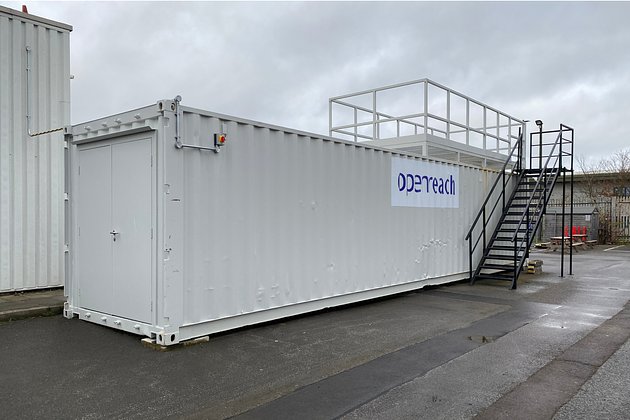
In the realm of shipping and storage, containers play a vital role in facilitating logistics across different industries. Among the many types offered, the 30-foot container stands out for its unique dimensions and versatile applications. This short article delves into the features, benefits, common uses, and often asked questions about the 30-foot container, offering a well-rounded understanding for companies and individuals alike.
What is a 30-Foot Container?
A 30-foot container, as the name recommends, has a length of 30 feet (approximately 9.1 meters) and is typically utilized for transporting items by sea or land. These containers are normally made from state-of-the-art steel to withstand the rigors of transport and climate condition. In regards to dimensions, they usually have standardized widths and heights, making them compatible with shipping regulations and managing devices.
Key Specifications
Length: 30 feet (roughly 9.1 meters).
Width: 8 feet (approximately 2.44 meters).
Height: 8.5 feet (approximately 2.59 meters) for standard containers.
Weight Capacity: Depending on the specific type, a 30-foot container can usually hold between 20,000 to 26,000 pounds (9,072 to 11,793 kgs).
Volume Capacity: Approximately 1,700 cubic feet (48 cubic meters).
Kinds Of 30-Foot Containers.
While the basic 30-foot container is among the most typical kinds, variations are available to match specific requirements:.
Requirement Containers: These are perfect for basic cargo and non-perishable products.
Refrigerated Containers (Reefers): These containers are geared up with temperature level control systems to transfer disposable products such as food and pharmaceuticals.
Open-Top Containers: Suitable for extra-large cargo, these containers have a detachable roof, permitting easy loading of tall items.
Flat Rack Containers: These have no sides or a roofing and are mainly utilized for heavy or unwieldy cargo.
Benefits of Using a 30-Foot 30 foot shipping container cost' container (click for source).
Utilizing a 30-foot container has a number of advantages that attract services and individuals engaged in shipping or storage.
1. Optimum Size for Diverse Applications.
The 30-foot length is typically viewed as a perfect size for smaller sized shipments. It supplies considerably more volume than standard containers, making it appropriate for numerous cargo types, particularly when 40-foot containers may be too large.
2. Cost-Effectiveness.
For organizations that require storage or shipping for smaller quantities of goods, a 30 foot shipping container cost-foot container can be more economical. It provides minimized shipping expenses due to its size while enabling efficient packing and dumping.
3. Versatile Use Cases.
30-foot containers can serve numerous functions, consisting of however not restricted to:.
Shipping items worldwide.
Working as short-lived or long-term storage solutions.
Helping with building and construction jobs.
Real estate mobile offices or workshops.
4. Portability.
The workable size of a 30-foot container enables easier transport and maneuverability. This is especially advantageous in urban settings or locations with minimal area.
Typical Uses of 30-Foot Containers.
The applications of 30-foot containers are many and differed, showing their flexible nature. Here are some of the most common uses:.
Transport.
As a practical option for freight transport, 30-foot containers master transporting various items, from machinery to fabrics. They effectively suit 30ft shipping container for sale schedules while accommodating diverse cargo types.
Storage Solutions.
Whether for organizations preparing for seasonal variations in inventory or families requiring additional area, 30-foot containers can work as reliable short-term or long-lasting storage services. Their resistance to weather and pests makes them a protected choice.
Building Sites.
30-foot containers are increasingly utilized at building and construction sites for keeping devices and materials. They can be customized for usage as site offices, offering a comfortable workspace close to the job site.
Workshops and Recreational Spaces.
You can repurpose 30-foot containers into workshops, studios, or even tiny homes. Their durability and sturdiness provide an exceptional foundation for innovative jobs.
Frequently Asked Questions (FAQs).
1. Just how much can a 30-foot container hold?
A 30-foot container typically has a weight capability ranging from 20,000 to 26,000 pounds (depending upon the model) and a volume capability of around 1,700 cubic feet.
2. Can you customize a 30-foot 30' container?
Yes, 30-foot containers can be tailored for specific requirements, such as including windows, doors, or insulation for temperature control.
3. Do I require an unique permit to utilize a 30-foot container?
Allowing requirements depend upon regional policies concerning storage containers. It is suggested to contact local authorities before utilizing one for storage or building purposes.
4. What is the expense of renting or buying a 30-foot container?
The rate can vary extensively based upon elements like place, condition, and the supplier. Normally, rental rates can vary from $100 to $200 monthly, while purchase rates may differ from $2,000 to $5,000 or more.
5. How do I guarantee my cargo is safe in a 30-foot container?
Proper packaging, protecting products with straps, and using cushioning can avoid damage during transport. Additionally, consider installing locks and security features for long-term storage.
Conclusion.
The 30-foot container is a versatile option for businesses and individuals needing effective transportation and storage of items. Its workable size, overall capability, and flexibility make it a popular option throughout industries. Comprehending its features and potential applications can enhance logistical methods and decision-making, whether used for shipping, keeping, or ingenious tasks. By considering the info detailed in this guide, users can make educated choices about integrating 30-foot containers into their operations.
댓글목록
등록된 댓글이 없습니다.